
Hindu Marriage Arranged Marriage, Polygamy & Hinduism
Marriage has always been a significant aspect of human society, and its traditions and rituals have evolved over time. In Hindu culture, marriage holds a special place, with various rituals and customs that are followed to solemnize the union of two individuals. Let's take a closer look at the traditions of Hindu marriage and how they have been practiced over the years.
Traditional Hindu Wedding Rituals
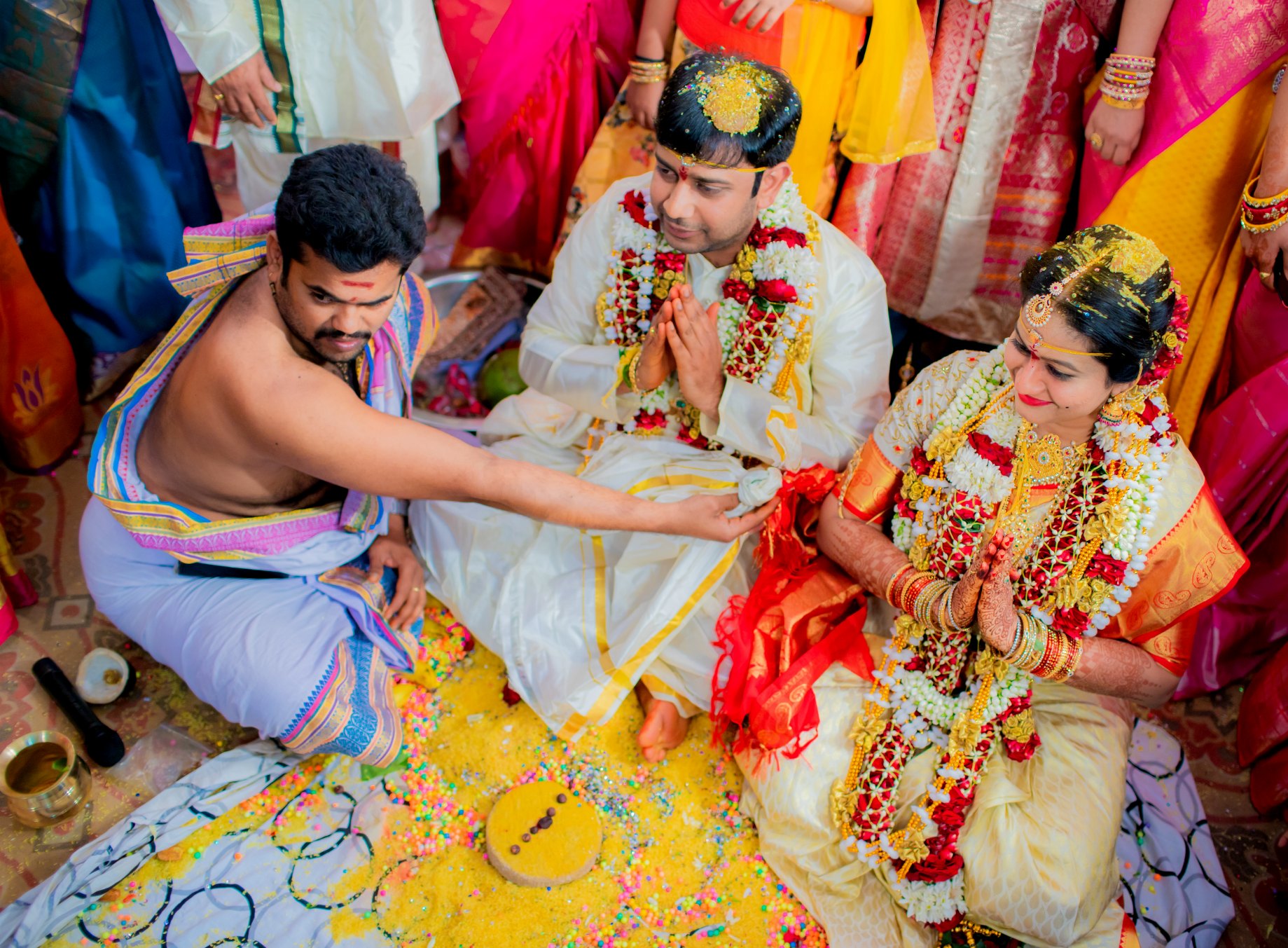
In Hindu culture, marriage is not just a union of two individuals but a sacred bond that is considered eternal. The traditional Hindu wedding ceremony is a blend of rituals, symbolism, and customs that have been passed down through generations. From the pre-wedding ceremonies to the post-wedding rituals, each step in a Hindu marriage is steeped in tradition.
One of the most important rituals in a Hindu wedding is the Kanyadaan, where the bride's parents give her away to the groom. This signifies the bride's parents' acceptance of the groom as their daughter's husband and their trust in him to take care of her. Another essential ritual is the Saptapadi, where the couple takes seven steps around the sacred fire, each step representing a vow they make to each other.
Other rituals in a traditional Hindu wedding include the Mangal Pheras, where the couple walks around the sacred fire four times, each round symbolizing a different aspect of married life. The Sindoor Daan ceremony, where the groom applies sindoor (vermilion) on the bride's forehead, is another significant ritual that signifies the bride's marital status.
Overall, traditional Hindu weddings are a beautiful blend of rituals, customs, and traditions that celebrate the union of two individuals and their families. These rituals have been practiced for centuries and continue to be an integral part of Hindu culture.
Arranged Marriage in Hinduism
/GettyImages-187891527-58eaa84d3df78c516256da8d.jpg)
Arranged marriages have been a common practice in Hindu culture for centuries. In an arranged marriage, the families of the bride and groom play a significant role in finding a suitable match for their children. While the concept of arranged marriage may seem outdated to some, it continues to be a prevalent practice in many Hindu communities.
One of the main reasons behind arranged marriages in Hindu culture is the belief that parents know their children well and can make a wise decision when it comes to choosing a life partner for them. Arranged marriages are seen as a way to strengthen family ties and ensure compatibility between the couple.
In Hinduism, marriage is not just a union of two individuals but a merging of two families. This is why arranged marriages are considered essential, as they involve not just the bride and groom but their families as well. The families play a crucial role in the match-making process, considering factors such as caste, religion, social status, and horoscope matching.
While arranged marriages have faced criticism for being restrictive and outdated, many couples who have entered into arranged marriages have found love, happiness, and compatibility with their partners. Arranged marriages in Hindu culture continue to be a prevalent practice, with families playing a vital role in ensuring the union of their children.
Overall, marriage holds a special place in Hindu culture, with its rich traditions, customs, and rituals that have been passed down through generations. Whether it is a traditional Hindu wedding or an arranged marriage, the focus remains on the union of two individuals and their families, making marriage a sacred and cherished institution in Hindu society.

Posting Komentar