
Tinggi Dan Berat Badan Ideal Bayi Berat Badan Ideal Bayi Dan Anak-anak Sampai Usia 3 Tahun
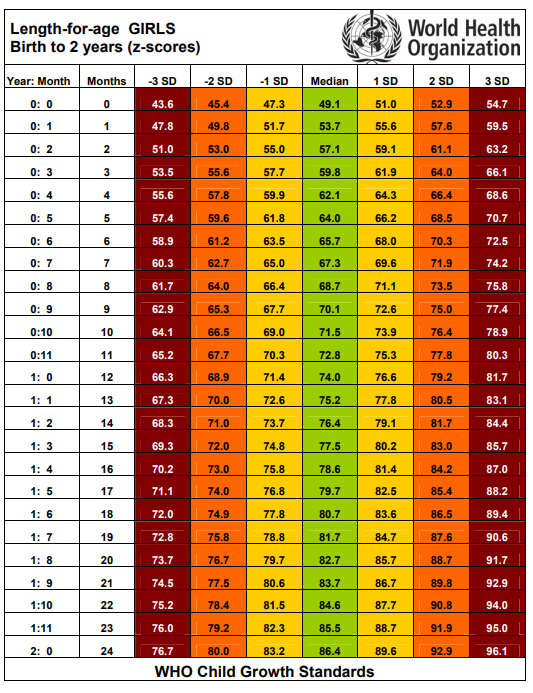
Tabel Tinggi Dan Berat Badan Anak Usia 6-12 Tahun

Berat Badan Ideal Balita Menurut Menteri Kesehatan
The Importance of Monitoring Your Child's Growth
From the moment a child is born, parents are often curious about their child's growth and development. This curiosity is entirely natural. After all, parents want to ensure that their children are healthy and thriving. One essential aspect of a child's health is their growth pattern, including their height and weight. Monitoring these metrics can help parents and healthcare providers ensure that a child is growing at a healthy rate.
Understanding Growth Charts
Growth charts are tools used by healthcare providers to track a child's growth over time. These charts typically display a child's height, weight, and head circumference in relation to other children of the same age and gender. By comparing a child's measurements to the data on the growth chart, healthcare providers can assess whether a child's growth is within a healthy range.
The Role of Genetics in Growth
Genetics play a significant role in determining a child's growth pattern. Children inherit genes from their parents that influence their height and build. While genetics provide a blueprint for a child's growth potential, environmental factors such as nutrition and overall health also play a crucial role in determining how a child grows and develops.
Factors That Affect Height and Weight
Several factors can influence a child's height and weight. Nutrition, physical activity, sleep patterns, and overall health can all impact how a child grows. Ensuring that a child receives a balanced diet, engages in regular physical activity, gets enough sleep, and maintains good overall health can help support healthy growth and development.
Monitoring Your Child's Height
Height is an essential indicator of a child's overall growth and development. Monitoring your child's height regularly can provide valuable insights into their health and well-being. If you notice any significant deviations from the expected growth pattern, it may be a good idea to consult with your child's healthcare provider for further evaluation.
Measuring Your Child's Height
When measuring your child's height, it's essential to use the correct techniques to ensure accurate results. Have your child stand with their back against a wall, their heels together, and their head held straight. Use a tape measure to measure from the floor to the top of their head. Record this measurement and compare it to the expected height range for their age and gender.
Understanding Growth Spurts
Children go through growth spurts at various stages of development. During these periods, children may experience rapid growth in height. Growth spurts are entirely normal and are a sign that a child is growing and developing as expected. It's important to provide your child with adequate nutrition and support during these times to ensure healthy growth.
Monitoring Your Child's Weight
Weight is another crucial aspect of a child's growth and development. Monitoring your child's weight can help you track their overall health and ensure that they are maintaining a healthy body weight. If you have concerns about your child's weight, discussing them with a healthcare provider can help address any issues early on.
Weighing Your Child
When weighing your child, use a reliable scale and ensure that they are wearing minimal clothing. Record their weight and compare it to the expected weight range for their age and gender. Keep in mind that children grow at different rates, so fluctuations in weight are entirely normal as long as they fall within a healthy range.
The Relationship Between Height and Weight
The relationship between height and weight, often referred to as the body mass index (BMI), is an important indicator of overall health. A child's BMI can help assess whether they are at a healthy weight for their height. Maintaining a balanced BMI is essential for overall health and can help prevent weight-related health issues later in life.
Supporting Your Child's Growth and Development
As a parent, there are several ways you can support your child's growth and development. Ensuring that they have access to nutritious foods, encouraging regular physical activity, promoting healthy sleep habits, and maintaining regular check-ups with their healthcare provider are all essential steps in supporting your child's overall well-being.
The Role of Play in Development
Play is a crucial aspect of a child's development. Through play, children learn essential skills such as problem-solving, creativity, and social interaction. Encouraging your child to engage in imaginative play and physical activities can help support their overall development and well-being.
The Importance of Nutritious Foods
Providing your child with a balanced diet rich in fruits, vegetables, whole grains, and lean proteins is essential for supporting their growth and development. Nutrient-dense foods provide the building blocks that children need to grow and thrive. Limiting sugary snacks and processed foods can help promote healthy eating habits from a young age.
Conclusion
Monitoring your child's growth, including their height and weight, is essential for ensuring that they are healthy and thriving. By understanding the factors that influence growth, such as genetics, nutrition, and overall health, you can take proactive steps to support your child's development. Remember to consult with your child's healthcare provider if you have any concerns about their growth pattern.
FAQs
1. How often should I measure my child's height and weight?
It's recommended to measure your child's height and weight regularly, such as during their annual check-ups with their healthcare provider. If you notice any significant changes or have concerns about your child's growth, consult with their healthcare provider for further evaluation.
2. What are some signs that my child may not be growing at a healthy rate?
Signs that your child may not be growing at a healthy rate include a noticeable lack of height or weight gain, delayed development milestones, or complaints of persistent fatigue or weakness. If you observe any of these signs, it's essential to seek guidance from a healthcare provider.
3. How can I encourage my child to eat nutritious foods?
Encouraging your child to eat nutritious foods can be done by providing a variety of healthy options, involving them in meal preparation, and being a positive role model for healthy eating habits. Making mealtimes enjoyable and offering a balance of nutrients can help foster healthy eating habits.
4. What role does physical activity play in supporting a child's growth and development?
Physical activity is crucial for a child's growth and development as it helps build strength, coordination, and overall fitness. Encouraging your child to engage in regular physical activity, such as outdoor play, sports, or dancing, can support their physical and mental well-being.
5. When should I be concerned about my child's growth?
If you have any concerns about your child's growth, including their height, weight, or overall development, it's essential to consult with their healthcare provider. Early intervention and monitoring can help address any potential issues and ensure that your child receives the necessary support for healthy growth and development.

Posting Komentar